





Platforms change fast. Laws change even faster. If you’ve been heads-down creating instead of reading changelogs, here’s what you actually need to know this month — one update each for Instagram, TikTok, AI regulation, and the music industry specifically.
1. Instagram: Your Posts Can Now Show Up in Google Search
Instagram just made a quiet but massive shift in how your content gets discovered. Public posts from professional accounts — Reels, carousels, photos, all of it — are now eligible to appear directly in Google search results, not just inside the Instagram app itself.
That means your content can now function as an SEO asset, not just a feed post competing for attention in someone’s scroll. A well-captioned Reel or a carousel with genuinely useful information could start showing up when someone Googles a question related to your niche, long after it’s stopped circulating in-app.
What to do: Start treating your captions and alt text like you would a blog post headline — searchable, specific, and keyword-aware — not just a caption written for your existing followers.
2. TikTok: The Creator Fund Is Officially Dead
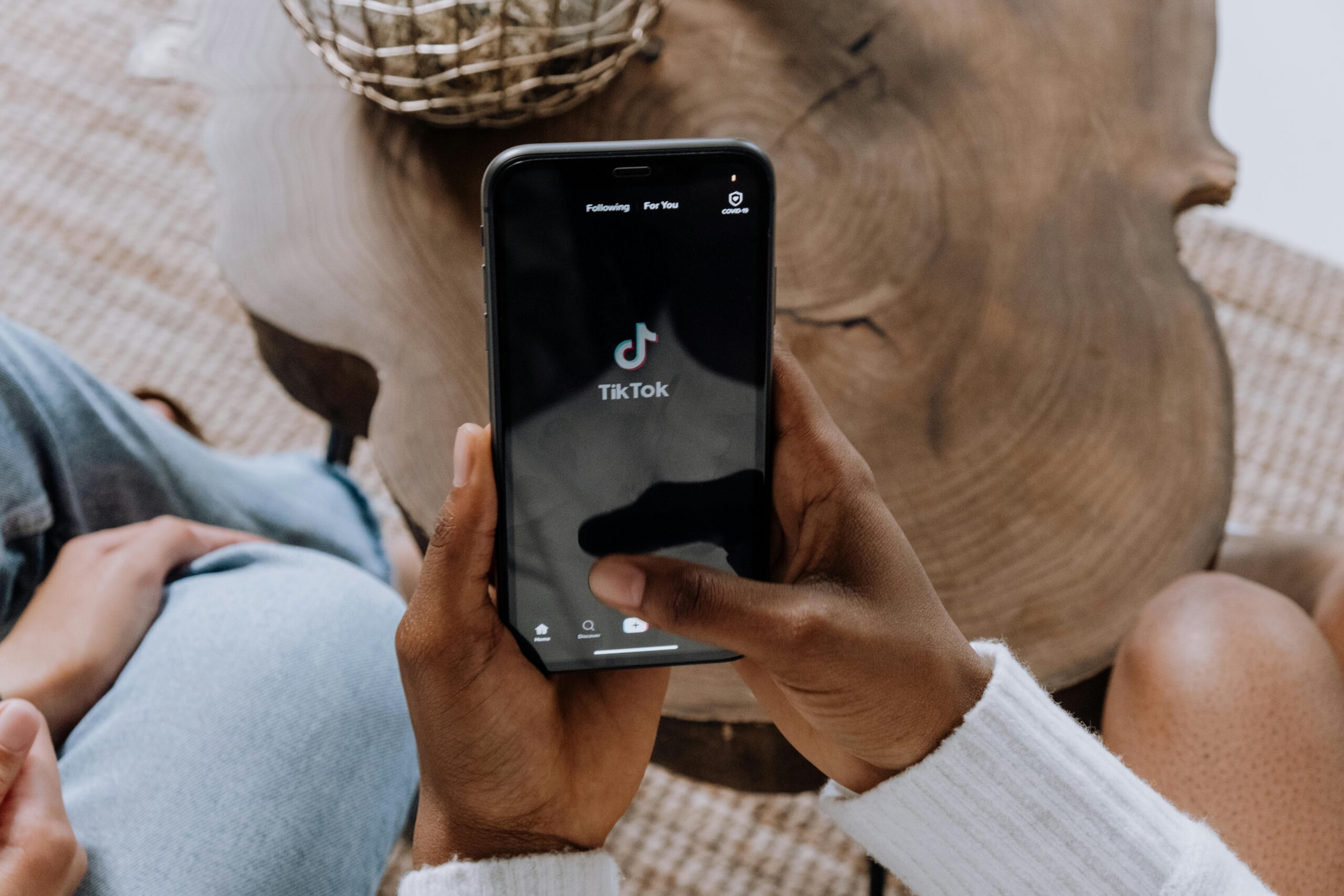
If you’re still thinking about TikTok monetization the old way, it’s time to update your mental model. TikTok has fully replaced the old Creator Fund with the Creator Rewards Program, which pays based on video performance and video length rather than just raw view count — and TikTok says creators in the new program have the potential to earn significantly more than they did under the old system.
To qualify, you’ll need to be at least 18, have at least 10,000 followers, and have racked up at least 100,000 views in the past 30 days on a personal account in good standing. Beyond Creator Rewards, TikTok’s monetization stack now also includes TikTok Shop affiliate commissions, LIVE gifts and subscriptions, and Series (paid content unlocks) — meaning the smartest creators aren’t relying on any single payout source anymore.
What to do: If you haven’t checked your eligibility for Creator Rewards or explored TikTok Shop’s affiliate program, that’s the highest-leverage five minutes you could spend this week.
3. AI Disclosure Is No Longer Optional — It’s the Law
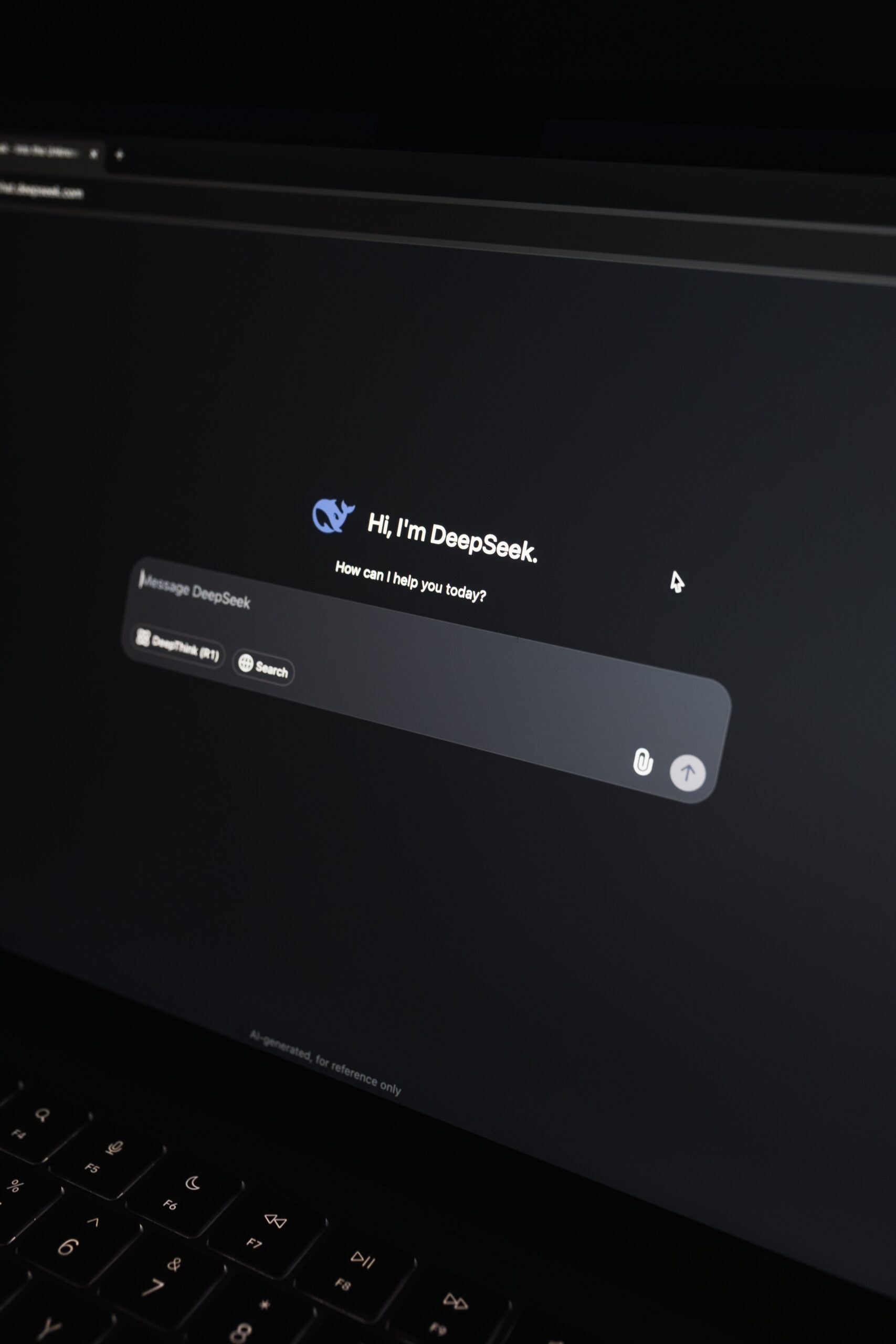
As of August 2, 2026, two major regulations went into full effect: Article 50 of the EU AI Act and California’s SB 942. Both require clear, conspicuous labeling of AI-generated or AI-materially-altered content — and this applies globally to anyone whose content reaches audiences in the EU or California, not just companies based there.
This isn’t just a platform guideline anymore; it’s enforceable law. In the U.S., the FTC’s existing endorsement rules already carry civil penalties up to $53,088 per violation, and New York’s synthetic-performer disclosure law adds its own separate fines. Practically speaking, the bigger day-to-day risk for most creators isn’t a government fine — it’s platform enforcement: removed posts, downranked reach, or lost monetization for undisclosed AI use.
What to do: If you use AI for any part of your content — voice, video, images, even heavily AI-assisted editing — build a disclosure habit now. A “Made with AI” tag doesn’t replace a sponsorship disclosure, and a sponsorship disclosure doesn’t replace an AI one. As of this month, you may need both.
4. For Musicians: The AI Music Lawsuits Are Reshaping Who Gets Paid
If you’re an artist, this one’s for you specifically. The major-label lawsuits against AI music generators Suno and Udio — originally filed in 2024 over unauthorized use of copyrighted recordings to train AI models — have started splitting into two camps. Warner settled with Suno and Universal settled with Udio, both moving toward licensed, artist-compensated AI models going forward. Sony has refused to settle with either company, keeping the core legal question — whether training AI on copyrighted music without permission is even legal — unresolved in court.
Independent artists, who weren’t covered by the major-label settlements, have filed their own separate class actions, arguing the licensing deals cut by the majors don’t protect musicians outside those labels.
What to do: If your music is distributed independently, keep an eye on how these class actions develop — the outcome will likely determine whether independent catalogs get any pathway to compensation at all, or whether protection stays limited to major-label artists.
Platforms will keep shipping updates. Regulators will keep catching up to AI. The throughline for creators across all four of these: know exactly where your content lives, who profits from it, and what you’re required to disclose — because increasingly, all three of those things are changing whether you’re paying attention or not.