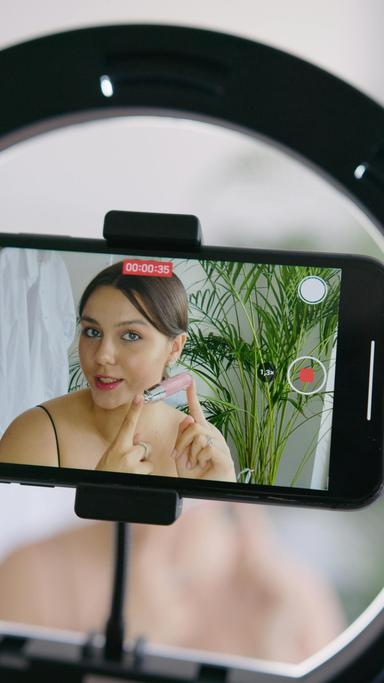









Every brand that works with creators eventually faces the same choice. Do you pay a creator for a single post and move on, or do you build something that lasts?
The short answer from the data is that ongoing relationships usually win. But one-off campaigns still have a job to do, and the best programs use both on purpose. Here’s what the numbers say, where each approach fits, and what it means whether you’re the brand writing the check or the creator on the other side of it.
Why this question matters more in 2026
Money is flowing into creator content faster than ever. One 2026 analysis, drawing on IAB and Influencer Marketing Factory data, puts creator ad spend at roughly $44 billion this year. As budgets grow, finance teams are asking harder questions. Performance-based pay now covers about 53% of brand partnerships, up from 23% two years ago, according to Global Brands Magazine.
When every deal is expected to show a return, the structure of the relationship starts to matter as much as the creator you pick.
What the data says about long-term partnerships
Industry research keeps pointing the same way:
- Engagement: Analyses from Impact.com and Archive report that sustained creator partnerships generate around 70% higher engagement than one-off campaigns.
- Effectiveness: In Impact.com data cited by Keepface, 99% of marketers running always-on programs rated them effective, compared with 54% for single-post deals.
- Adoption gap: Archive found that only about 35% of brands use an always-on approach, while roughly 65% still lean on one-off activations.
- Creator preference: Aspire’s 2026 report found that 63% of creators prefer long-term partnerships over any other campaign type.
One honest caveat: most of these figures come from influencer-marketing platforms, which have a stake in the answer, and several are repeated across vendor blogs without a clear original study. Treat them as directional rather than precise. The pattern is consistent, though, and it matches what you’d expect from how people actually buy things.
Why relationships tend to win
People need more than one look. Social Native reports that 55% of paid social conversions need three or more touches to close. A single sponsored post rarely gets an audience there. A creator who mentions a product across several months does it naturally.
Trust compounds. A follower who sees a creator use the same product again and again reads it as a genuine recommendation, not a one-time ad. The first post introduces the brand. The fifth is the one that persuades.
The work gets better. A creator who has used your product for months knows what their audience responds to, what to say, and what to skip. Briefing and re-briefing a new creator every campaign costs time and usually produces more generic content.
The overhead drops. Finding, vetting, negotiating with and onboarding new creators every time is real work. Ongoing partners cut that down, and long-term relationships often come with better rates in exchange for volume.
Where one-off campaigns still make sense
Relationships are not always the right tool. One-off campaigns work well for:
- Launches and seasonal moments where you need a burst of attention at a specific time
- Testing a new creator, niche or platform before committing budget
- Small budgets that can’t support a retainer yet
The smartest approach treats one-offs as an audition. Run a handful of single campaigns, see who delivers results and who your audience responds to, then convert the best performers into ongoing partners. Social Native suggests a 70/30 split, with most of the budget on core long-term creators and the rest on experiments. That ratio is one vendor’s rule of thumb, not a law, but the logic of “explore, then commit” holds up.
What our creator data adds
Bump’s 2026 Creator Monetization Report tracks 495,121 creators across Instagram, TikTok, YouTube and Twitch, and a few of its findings bear directly on this question.
Small creators are the most efficient buy. On Instagram, the median sponsored Reel price rises from $150 at nano level (under 10K followers) to about $1,200 at mega level (1M+). But the price per 1,000 followers falls from $49.74 to $0.83, about a 60x gap. For brands building ongoing programs, a roster of focused smaller creators buys far more audience per dollar. It also means a repeat relationship with a nano or micro creator can be affordable to sustain.
Some work already has a standard price. The median UGC video is $150, and five of eight UGC formats carry the same median price on TikTok, YouTube and Instagram. UGC price also barely tracks reach (a correlation of 0.23, compared with 0.63 for sponsored Reels). That makes UGC a natural fit for repeat deals: a brand can budget it as a predictable production cost, and a creator can set a standing rate.
Creators have two rate cards. The report finds that creators price UGC against the market and sponsored posts against audience size, tier and niche. Among creators who sell both, the median UGC video is priced at about 83% of the same creator’s Reel. A longer relationship is a chance to be deliberate about that gap rather than discounting by default.
A note on reading these numbers: the report’s figures are medians built from listed rates and verified transactions, and its reach-to-price links are correlations, not proof of cause and effect.
If you’re a creator: how to move from one-off to ongoing
Most ongoing deals start as a one-off that went well. A few things help:
- Deliver, then follow up. After a campaign, share the results and propose what a longer arrangement could look like, such as a three-month series.
- Know your number. Before you propose a retainer, know what your content is worth. Pricing a long deal off your last deal, or off a guess, locks in a low rate for months.
- Price the commitment. A brand getting exclusivity, volume or priority access is getting more than a single post, and the rate should reflect that.
- Watch the payment terms. Ongoing partnerships often come with slower payment cycles, and several deals running at once can strain your cash flow. Agree terms up front, and plan for gaps between finishing work and getting paid. Tools like Bump Capital, which pays you the day you invoice, exist for exactly this problem.
If you’re a brand: how to start
- Mine your past campaigns. Pick the three to five creators who drove the best results or engagement.
- Run a 90-day pilot. Offer a short series instead of a single post, and agree what success looks like in advance.
- Measure over time. Long-term returns build gradually, so judge the program across months, not week by week.
- Pay fairly and on time. The creators worth keeping have options. Reliable, prompt payment is one of the simplest ways to keep a good relationship going.
The bottom line
One-off campaigns are a tool for launches, tests and tight budgets. Relationships are the engine for lasting results: more trust, better content and a lower cost to keep going. The brands and creators doing best are the ones who use one-offs to find the right partners, then invest in the relationships that work.